Reasons Guests Choose These Farm Retreats
Stays across the farm portfolio are carefully selected for their atmosphere, ecological integrity, and closeness to everyday rural life rather than tourism spectacle. Each cottage or villa is organized around the working landscape, with footpaths leading directly to orchards, herb plots, and vineyard rows maintained through organic and low-impact methods. Interiors highlight natural materials—untreated woods, limewashed walls, and stone floors—combined with soft textiles, handcrafted pottery, and locally woven baskets to create a tactile sense of comfort. Hosts design the spaces so guests feel both rooted and free: reading corners by open windows, communal tables for shared meals, and shaded patios facing the evening breeze. Beyond aesthetics, visitors appreciate the structure behind each stay. Farm experiences are curated but not scripted, allowing guests to help with harvests, feed animals, learn traditional cooking techniques, or simply sit quietly under olive trees. Carefully explained practices—composting systems, water-saving irrigation, and native planting—turn passive relaxation into quiet learning. A small team coordinates cleaning, maintenance, and guest communication, ensuring that practical details stay invisible yet reliable from arrival to departure. The result is a blend of emotional warmth, rural discovery, and logistical ease that encourages repeat visits and long stays.
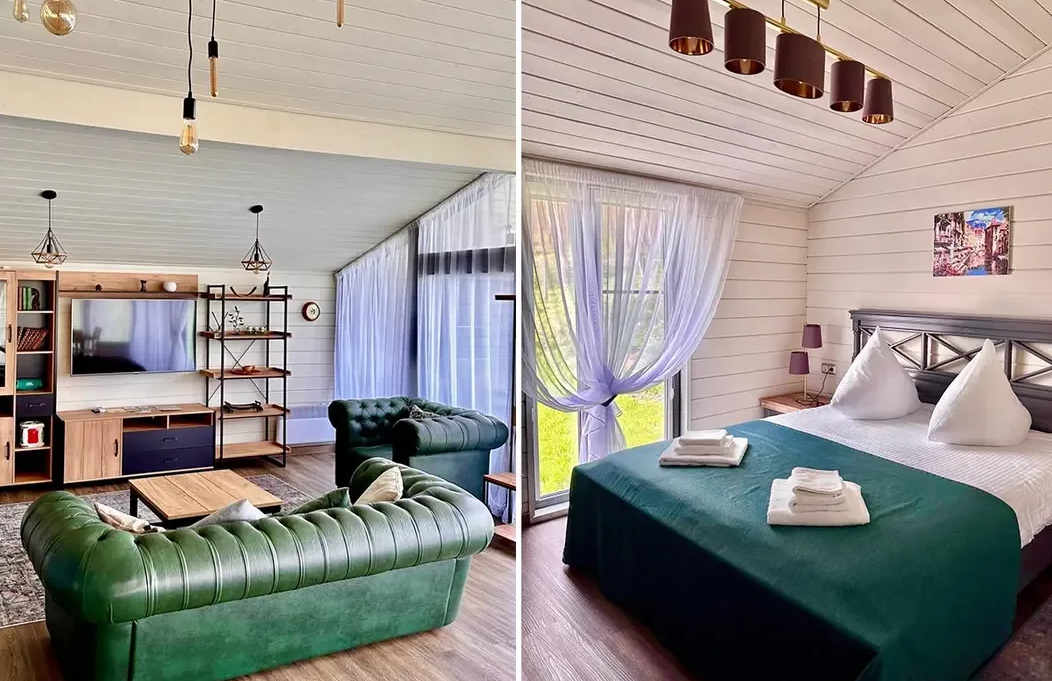
Handcrafted Rural Homes
Guest dwellings are either restored farmhouses or newly built eco-structures designed to sit lightly on the land. Architects and craftspeople collaborate to keep proportions human-scale, rooms bright, and circulation oriented toward gardens and courtyards. Furnishings are simple but well-made, often sourced from nearby carpenters and metalworkers, with attention paid to longevity and touch rather than trend. This handmade quality gives each room a gentle character that evolves rather than dates, and invites guests to slow down, observe small details, and reconnect with tactile living environments.
Organic Fields & Daily Harvests
Farms are managed using certified or closely aligned organic principles, focusing on soil health, biodiversity, and seasonal diversity. Guests can walk through vegetable beds and orchards where compost, natural mulches, and companion planting replace synthetic inputs. Hosts organize harvest moments—picking tomatoes at dawn, collecting herbs for evening tea, or gathering eggs from free-range hens—so visitors experience what fresh really means in climate and context. Simple explanations of crop rotation and seed saving turn these routines into accessible introductions to regenerative food systems rather than abstract sustainability slogans.
Cretan Hospitality & Local Stories
The hosting philosophy draws from long-standing Cretan traditions of welcoming travelers with open tables and shared narratives. Families and caretakers see guests as participants rather than passing numbers, offering stories about past harvests, village customs, and the transformation of the land over time. Home-style dishes built around olive oil, bread, and vegetables create relaxed communal moments, often accompanied by informal tastings of local wine or herbal infusions. Visitors leave with memories of conversations under pergolas and quiet kitchen exchanges instead of detached service encounters.
Sustainable Comfort & Thoughtful Details
Comfort across the properties is approached through a sustainability lens: natural ventilation, shading strategies, and energy-efficient systems reduce environmental impact while preserving fresh indoor climates. Rooms include quality mattresses, breathable linens, and refillable amenities in ceramic containers rather than single-use plastics. Waste sorting, glass and metal reuse, and gentle cleaning products are woven into operations without burdening guests. Together, these details communicate respect for land, water, and community, giving visitors the ease of modern stays without disconnecting them from the farm’s ecological reality.